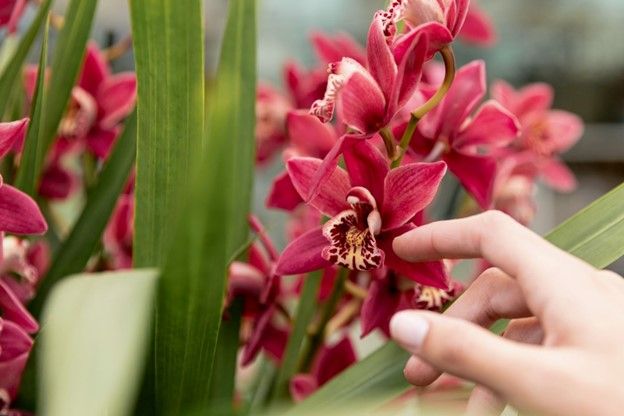
Thailand has long been recognized as one of the world’s leading producers of orchids, particularly the highly sought-after Thai varieties exported to markets worldwide. Behind the success of this thriving industry is a critical scientific process: plant tissue culture. A well-equipped tissue culture lab in Thailand enables growers to propagate orchids efficiently while maintaining high-quality, uniform, disease-free plants.
Why Tissue Culture Matters in Thai Orchid Production
Orchids are among the most diverse flowering plants in the world, and Thailand is home to many species and hybrids that have become staples in the global floral trade. Traditional propagation methods, such as plant division or seed germination, can take several years for a plant to reach maturity. Tissue culture provides a faster, more reliable approach to producing Thai orchid plants in larger numbers.
In a professional tissue culture lab in Thailand, a small piece of plant tissue, often taken from a leaf, stem, or meristem, is placed into a sterile nutrient medium. Under carefully controlled laboratory conditions, that small tissue sample develops into multiple plantlets that are genetically identical to the original plant. This process is commonly known as mericlone propagation.
Tissue culture provides several advantages:
⦁ Consistent plant quality and uniform growth
⦁ Disease-free propagation
⦁ Faster multiplication of valuable hybrids
⦁ Reliable supply for export and wholesale markets
These benefits make tissue culture an essential part of modern Thai orchid production.
Thailand’s Leadership in Orchid Tissue Culture
Thailand’s warm climate and experienced growers have long supported the cultivation of orchids. However, the country’s global reputation for Thai orchid exports is also driven by technological progress. Many leading orchid farms operate advanced propagation facilities that support large-scale production.
A modern tissue culture lab in Thailand typically includes sterile workspaces, specialized lighting systems, and controlled growth chambers. Skilled technicians carefully regulate temperature, humidity, and nutrient media to support steady plant development.
This level of control allows Thai orchid producers to maintain consistent quality for international buyers. Importers, retailers, and wholesale nurseries rely on these laboratories to supply healthy orchids that adapt well to shipping and new growing environments.
From Laboratory to Orchid Farm
After plantlets develop in the laboratory, they move to a nursery or greenhouse for acclimatization. This stage helps young plants adjust from sterile laboratory conditions to natural growing environments. During this process, growers gradually introduce changes in humidity, airflow, and light exposure. Over time, the young Thai orchid plants strengthen their root systems and foliage, preparing them for commercial distribution.
For buyers sourcing orchids internationally, plants produced by a tissue culture lab in Thailand often have stronger growth potential and greater consistency than those propagated through traditional methods.
Supporting Thai Orchid Hybrid Development
Tissue culture laboratories also support ongoing orchid breeding efforts. Orchid breeders frequently develop new hybrids with desirable characteristics such as stronger stems, longer flowering cycles, and distinctive colors.
When breeders successfully create a new Thai orchid hybrid, tissue culture enables them to replicate the plant efficiently while preserving its exact genetic traits. A professional tissue culture lab in Thailand makes it possible to scale production of promising hybrids within a relatively short timeframe.
This capability has helped Thailand introduce many well-known Thai orchid varieties, including popular Dendrobium, Vanda, and Cattleya hybrids that are now cultivated worldwide.
Choosing an Orchid Supplier with Laboratory Expertise
Sourcing plants from a supplier connected to a reliable laboratory provides several advantages. Plants propagated through tissue culture often show better health, uniform growth patterns, and higher survival rates during shipping. By working closely with a professional tissue culture lab in Thailand, suppliers can maintain a steady supply of healthy Thai orchid seedlings and hybrids for growers, distributors, and collectors worldwide.
The use of tissue culture has transformed modern orchid production. A well-managed tissue culture lab in Thailand supports precise propagation methods that allow growers to produce large quantities of healthy, consistent plants while preserving valuable hybrid traits.
For orchid enthusiasts, nursery operators, and Thai orchid importers, understanding this process provides confidence that the plants they receive originate from controlled and professional cultivation systems. Through scientific propagation and experienced growers, Thailand continues to play a leading role in the global Thai orchid industry.